
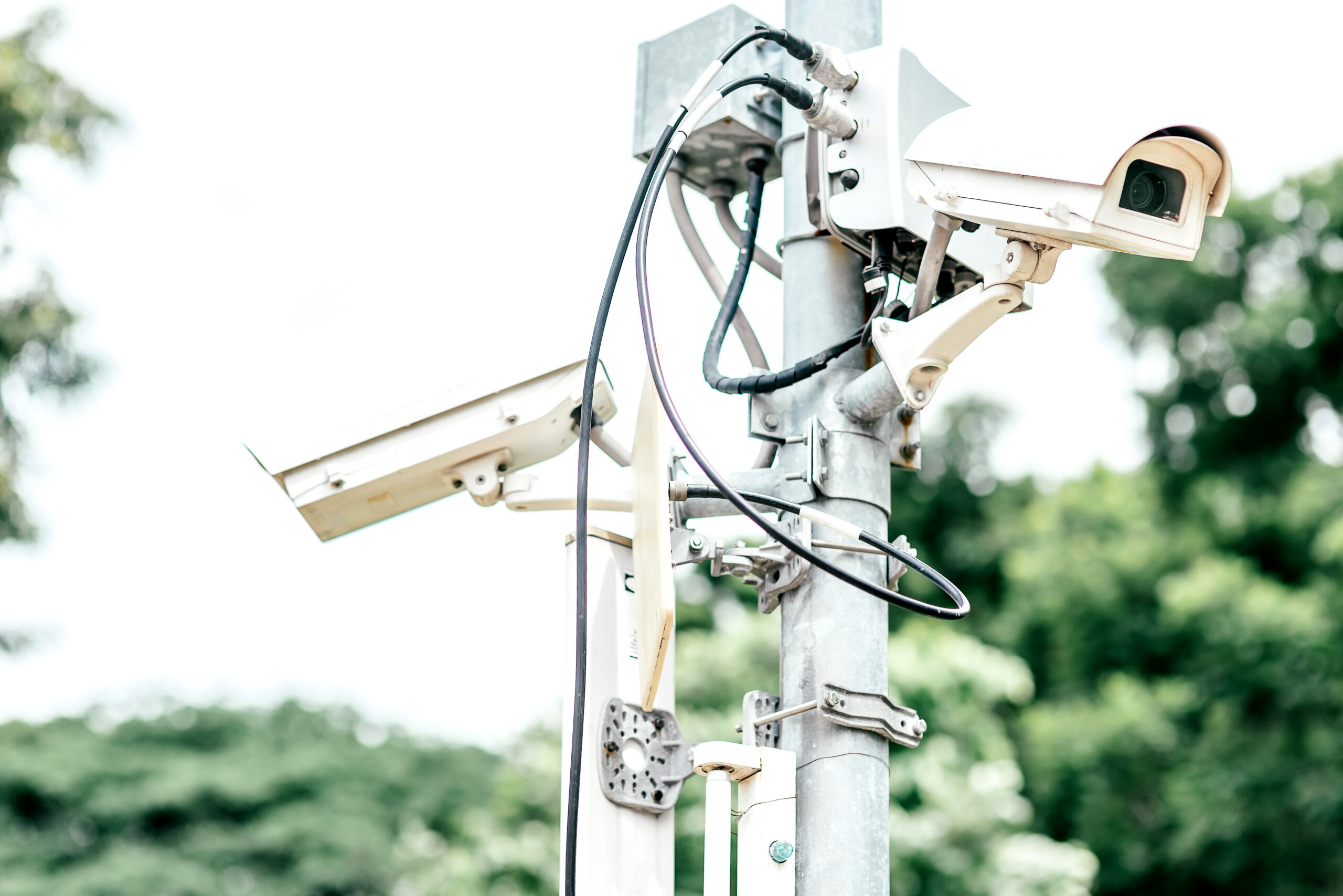
Mobile security camera towers deter crime in New Orleans through proactive, AI-driven interventions and immediate police response. These towering units act as a highly visible, 24/7 deterrent by featuring flashing red and blue lights, while advanced analytics trigger automated voice-downs and instantly alert law enforcement to suspicious activities in progress.
A vacant lot, a half-finished build, or an unlit parking area after closing time all share the same weakness, and most owners only notice it after something goes missing. The hours when no one is watching are exactly the hours when theft and vandalism happen.
At NOLA Protection Group, we have spent years protecting commercial sites, job sites, and neighborhoods across New Orleans, and we hear the same frustration often. Owners feel like they are always reacting to a loss instead of preventing one.
Mobile security camera towers flip that pattern by working before a crime happens, not just recording it afterward. Contact us today to talk through where a tower could close the gap on your property.
The Real Problem: Crime Happens in the Gap No One Is Watching
Most property crime is opportunistic, which means it targets the easiest unwatched site rather than the most valuable one. A trespasser sizing up a parking lot or a job site is reading for risk, and an empty, dark, unmonitored property reads as low risk.
That gap is widest exactly where it costs the most to staff a person. Construction sites sit idle overnight, retail lots empty out after closing, and vacant properties can go weeks without anyone setting foot on them. The National Equipment Register estimates that construction equipment theft alone costs the industry somewhere between $300 million and $1 billion a year, with more than 11,000 incidents reported annually.
The harder truth is what happens after a theft. According to the National Equipment Register, only about 20 to 21 percent of stolen equipment is ever recovered, which means prevention is worth far more than any after-the-fact response. That is the gap a camera tower is built to close.
What a Mobile Camera Tower Actually Is
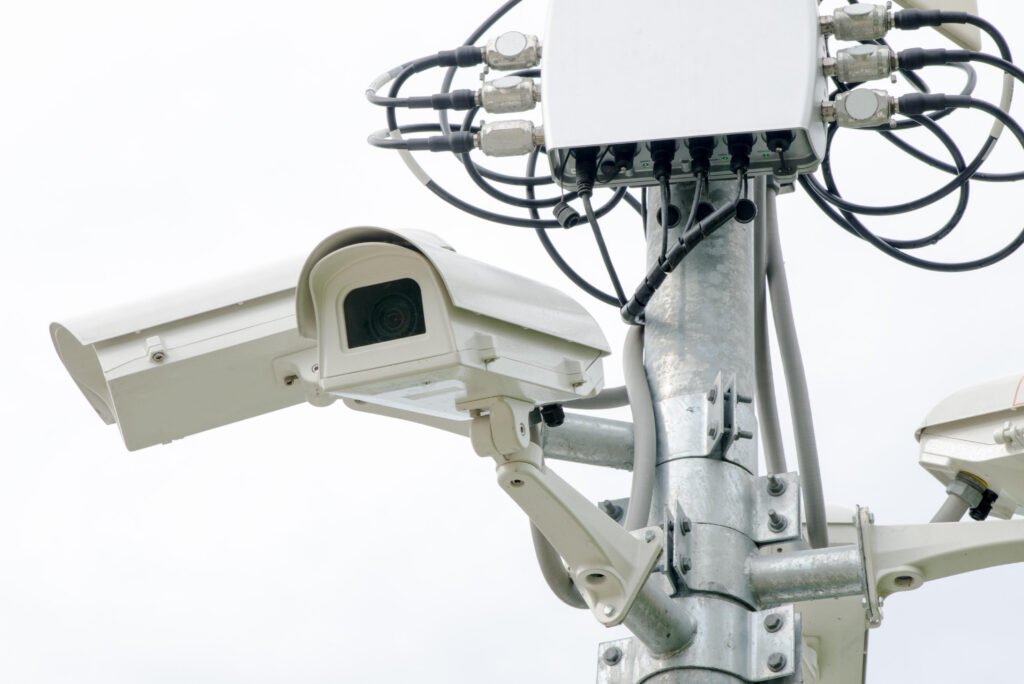
A mobile camera tower is a self-contained surveillance unit on a trailer or mast that can be towed to a site and set up without permanent construction. It runs on its own power, often solar, so it does not need a wired connection to the grid to function.
Our mobile camera surveillance towers are built on the LiveView Technologies platform, which combines cameras, lighting, and on-unit deterrents in a single deployable unit. LiveView Technologies designs these systems specifically to be seen and to react, not simply to sit quietly and store footage.
Because the unit is mobile, it can move with the work. A tower covering a construction entrance this month can shift to a problem corner or a parking lot next month, which makes it a flexible answer for sites whose risk changes over time. That portability is part of why so many New Orleans properties pair towers with on-site coverage.
Active Deterrence vs. Reactive Alarms: Deter Before vs. Record After
The most common objection we hear is that cameras only record crime; they do not stop it. That is true of a passive camera bolted to a wall, but it is not how a modern camera tower is designed to work.
A traditional alarm system is reactive by nature. It senses a break-in that is already underway and calls for a response after the intruder is on site, which means the damage or theft is often done before anyone arrives. A camera tower is built to work earlier in that timeline.
The goal is to make a would-be intruder decide your site is not worth the risk before they ever cross the line. Visible cameras, active lighting, and on-unit audio and light deterrents signal that the property is watched and that any approach will be noticed. Deterrence that works at the perimeter is far cheaper than cleaning up after a loss inside it.
The Layers of Deterrence Working Together
No single feature stops crime on its own. A camera tower deters because several layers stack on top of each other, each one raising the perceived risk for anyone considering a target. The table below breaks down how those layers work and what each one discourages.
Each layer covers a weakness the others leave open, which is why the unit works as a system rather than a gadget. A trespasser might ignore a sign, but a sign plus a light plus a voice plus the knowledge they are being recorded changes the math fast.
Where Camera Towers Make the Biggest Difference in New Orleans
Towers earn their place on the sites where guard hours are hardest to justify but the risk is real. We see them work hardest across a handful of property types around the metro, and the common thread is wide, open space that needs watching when no one is around.
Construction and job sites
Job sites stockpile copper, tools, fuel, and heavy equipment that are easy to move and hard to recover, and they sit empty every night and weekend. A tower at the gate or staging area watches the whole footprint and reacts to movement, which is where construction site cameras pull their weight. Pairing one with on-site officers during active hours covers the full clock without paying for overnight staffing.
Parking lots and garages
After-hours lots are a magnet for vehicle break-ins, catalytic converter theft, and loitering. A tower watches the rows that a single roving patrol can miss, giving New Orleans owners parking lot surveillance they can count on overnight. Lighting and visible cameras change how the space feels, which discourages the quick, opportunistic hit that lots tend to attract.
Vacant property and problem corners
Empty buildings and recurring trouble spots benefit from a visible, consistent presence that does not require a person standing in the cold. A tower can hold a corner that keeps drawing the same activity, document what happens, and give neighbors a reason to feel the block is watched. That steady deterrent is often what a problem location has been missing.
Why the Tower Is Only Half the Answer
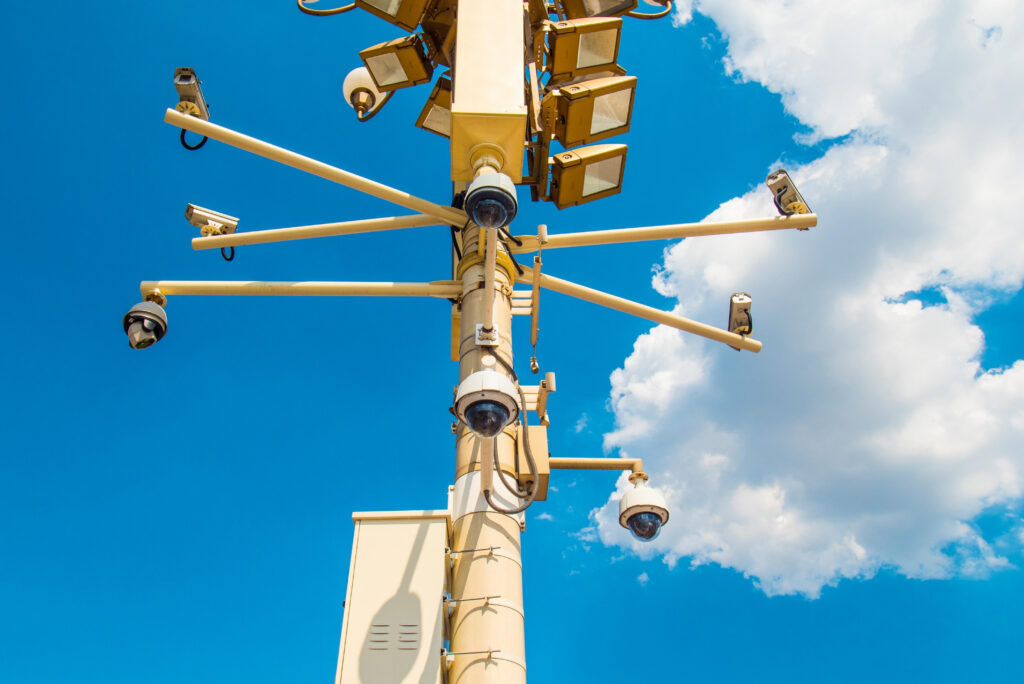
A camera tower is a strong deterrent, but it does not put a person on your site, and some situations still call for one. The unit watches, lights up, warns, and records, yet it cannot physically intervene or greet a customer at the door. That is the line between deterring a crime and managing a live situation.
This is why we rarely sell a tower as a standalone fix. On many properties, a tower handles wide-area, around-the-clock deterrence while commercial security guards cover the hours that need an active human presence. The two tools cover different gaps, and the right mix depends on the site.
For residential blocks and association nodes, towers often pair with neighborhood security patrols so a problem corner gets both a constant watcher and a visible patrol presence. A provider that offers only cameras, or only guards, tends to push you toward the tool it sells rather than the one your site needs.
How Deployment Works Without Tearing Up Your Site
One reason towers fit so many New Orleans properties is that setup leaves no permanent mark. The unit tows in, the mast raises, and the system powers itself, so there is no trenching, wiring, or construction to schedule around. A few practical advantages tend to matter most to owners:
- No permanent install: the tower tows out at the end of a deployment and leaves the site as it was, with no infrastructure to remove.
- Self-powered operation: on-board power, often solar, means coverage does not depend on a grid connection or a finished electrical setup.
- Flexible placement: the unit can be repositioned as risk shifts, so coverage follows the work instead of staying fixed to one spot.
That portability matters for the way work moves here. A festival footprint, a phased construction project, or a seasonal retail surge can each call for coverage that appears fast and disappears cleanly. A tower can be positioned for the exact window of risk and then redeployed where it is needed next, which keeps coverage matched to the actual threat instead of a fixed install you stop using.
Closing the Gap Before It Costs You
The properties that get hit are rarely the most valuable ones; they are the ones that look unwatched, and a mobile camera tower is built to take that appearance away. When a site reads as seen, lit, and ready to react, the opportunistic intruder moves on to an easier target.
At NOLA Protection Group, we help New Orleans owners match towers, guards, and patrols to the real risk on each property. Call us today to walk your site and put deterrence in place before the next loss instead of after it.
Frequently Asked Questions
How do mobile security camera towers deter crime?
Mobile camera towers deter crime by making a property look watched and risky before anyone acts. A raised, visible unit combines cameras, active lighting, and on-unit deterrents to signal that activity will be noticed and recorded. That combination discourages the opportunistic trespasser who is looking for an easy, unwatched target.
Do security camera towers actually stop crime or just record it?
A modern camera tower is built to do both. Passive cameras only record, but towers add visible presence, lighting, and on-unit audio or light deterrents that work to discourage an intruder before a crime happens. The recorded footage then provides documented evidence in the rare case that an incident still occurs.
What is the difference between a camera tower and an alarm system?
An alarm system is reactive, sensing a break-in that is already underway and calling for help after an intruder is on site. A camera tower is designed to deter earlier, using visibility, lighting, and on-unit deterrents to discourage the approach in the first place. One records after, the other works to prevent before.
Where are mobile camera towers most useful?
They are most useful on wide, open sites that are hard or costly to staff with a guard around the clock. Construction and job sites, after-hours parking lots and garages, vacant properties, and recurring problem corners all benefit. These are the places where opportunistic theft, vandalism, and trespassing tend to concentrate.
Can a camera tower work without electricity or internet on site?
Yes. Mobile camera towers are self-contained units that run on their own power source, often solar, so they do not need a wired connection to the grid. The LiveView Technologies platform is designed to operate in remote and undeveloped locations, which is part of what makes towers practical for job sites and vacant land.
How quickly can a mobile camera tower be deployed?
Because a tower tows in and raises on its own power, it can be positioned without trenching, wiring, or permanent construction. Timelines depend on the site and scope, so the best approach is a quick walkthrough to confirm placement and coverage. Ask us to assess your property and recommend where a tower would do the most good.
Are camera towers a replacement for security guards?
No, they cover different needs. A tower delivers wide-area deterrence and recorded evidence around the clock, but it cannot physically intervene or interact with people on site. Many New Orleans properties pair a tower with on-site guards so the camera handles after-hours watching while officers cover the hours that need an active presence.
Do camera towers help with insurance or evidence after an incident?
A camera tower documents activity on a site, which creates a clear record if an incident does occur. That evidence trail can support an insurance claim or a report to local authorities and helps establish what happened and when. Confirm specifics with your own carrier, since coverage and risk-mitigation credit vary by policy.
Need Security for Your Business?
Send us a service inquiry. Most clients receive a custom plan within 24 hours.
